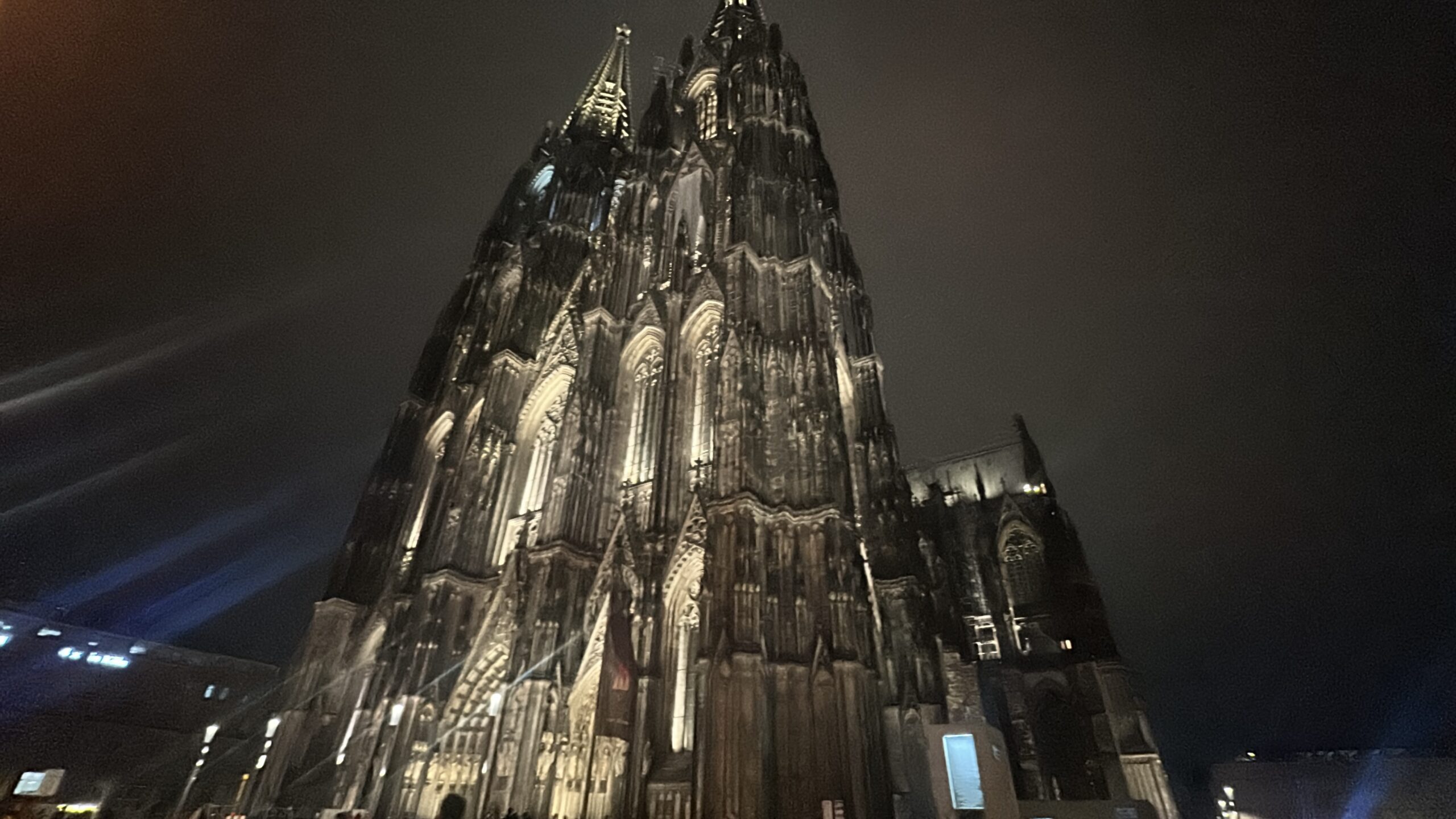
Why Are There Mysterious Giant Buildings All Over The World?
Walk through almost any major city in the world and you will eventually encounter them.
Massive stone buildings.
Gigantic domes.
Cathedrals with ceilings that seem to touch the heavens.
Train stations larger than modern airports.
Government buildings covered in intricate carvings and impossible detail.
And one question naturally begins to emerge:
How were these enormous buildings really constructed?
From Europe to America, from Russia to South America, giant structures appear across the planet with remarkable similarities in design, scale, and craftsmanship. Many were reportedly built during the 1800s and early 1900s — a time when construction technology was supposedly far more primitive than today.
For millions of people researching Tartaria and hidden history, these buildings represent one of the biggest mysteries in the modern world.
Were they simply the product of extraordinary human craftsmanship?
Or could they be remnants of a forgotten civilization whose history has been lost, hidden, or rewritten?
Let’s explore the mystery.
The Architecture That Shouldn’t Exist?
One of the main reasons the Tartaria theory exploded online is because of architecture.
People began comparing historical photographs from around the world and noticed something unusual:
Cities separated by thousands of miles shared nearly identical architectural styles.
Buildings in:
- New York
- Paris
- Moscow
- Buenos Aires
- Chicago
- Berlin
- Prague
- London
all displayed:
- giant arches
- enormous pillars
- copper domes
- marble halls
- highly detailed carvings
- massive windows
- towering ceilings
The scale alone seemed overwhelming.
Some researchers began asking:
- How did people supposedly using horses and basic machinery construct such enormous structures?
- Why do many modern buildings appear less impressive than those built over 100 years ago?
- Why are so many of these structures nearly impossible to recreate today without massive budgets?
These questions became the foundation of one of the internet’s most fascinating mysteries.
The Lost Craftsmanship Mystery
One thing almost everyone agrees on is this:
The craftsmanship of many old-world buildings is extraordinary.
Even skeptics of Tartaria admit that the level of detail found in older architecture is stunning.
Look closely at many historical buildings and you’ll notice:
- hand-carved statues
- impossible stone symmetry
- massive granite blocks
- detailed ceilings
- intricate metalwork
- giant stained-glass windows
Some cathedrals reportedly took decades or even centuries to complete.
Today, many modern cities prioritize speed and cost efficiency, often replacing detailed stonework with:
- concrete
- glass panels
- steel frames
- prefabricated materials
This creates a striking contrast between the old world and the modern world.
Many people feel that humanity may have lost something important along the way.
Why Are The Buildings So Large?
Another major question involves scale.
Why were buildings from the 1800s often so gigantic?
Many old structures include:
- doors far taller than modern standards
- enormous hallways
- giant staircases
- massive domes
- oversized windows
Alternative researchers often point to this as evidence that history may not fully explain these structures.
Some theories include:
- advanced forgotten civilizations
- hidden technologies
- resonance and frequency engineering
- symbolic architecture
- energy collection systems
Others suggest the buildings were designed to inspire awe, power, and spiritual elevation during an era when architecture represented national prestige.
Historians generally explain the scale through:
- industrial wealth
- empire expansion
- large labor forces
- classical European design traditions
Still, many people remain unconvinced.
The World Fair Connection
One of the strangest aspects of the giant building mystery involves the World Fairs.
During the late 1800s and early 1900s, enormous exhibition cities appeared around the world.
Some featured:
- giant palaces
- electric lighting
- canals
- sculptures
- domes
- monumental architecture
And according to official history, many were supposedly temporary.
This shocked researchers.
Why would civilizations spend enormous amounts of money building entire cities only to destroy them shortly afterward?
The Chicago World’s Fair of 1893 is one of the most discussed examples.
The fair reportedly featured gigantic white buildings so advanced and beautiful that many people today struggle to believe they were temporary structures.
Supporters of Tartaria theory ask:
- Were these buildings actually remnants of an older civilization?
- Were the fairs simply “reopenings” of existing cities?
- Why do photographs from the era look so advanced?
Critics respond that:
- most buildings used temporary materials like plaster
- world fairs were symbols of national pride
- temporary architecture for exhibitions was common
But the visual impact of these fairs continues fueling debate worldwide.
Were Ancient Builders More Advanced Than We Think?
One of the most popular ideas in alternative history is that ancient civilizations may have possessed advanced knowledge now forgotten.
This includes theories involving:
- sound frequencies
- resonance
- sacred geometry
- electromagnetic energy
- advanced stone-cutting methods
Researchers often point toward:
- pyramids
- megalithic sites
- ancient temples
- cathedrals
- domed buildings
as possible evidence of technologies or knowledge we no longer fully understand.
Some even speculate that old buildings were designed to interact with:
- vibrations
- frequencies
- acoustics
- atmospheric energy
While mainstream historians reject these ideas as speculation, the popularity of these theories continues growing online.
The Buried Building Phenomenon
Another mystery connected to giant buildings is the appearance of buried lower floors.
Across the world, researchers discovered old photographs showing:
- underground windows
- buried entrances
- submerged first floors
This became linked to the “Mud Flood Theory.”
Some believe a catastrophic event buried entire cities and civilizations.
Others explain it through:
- rising street levels
- urban reconstruction
- basement architecture
- flood prevention methods
Still, the images continue captivating audiences online because they appear unusual and difficult to explain at first glance.
Why Were So Many Old Buildings Destroyed?
Perhaps one of the biggest questions is this:
Why were so many beautiful historical buildings demolished?
During the 1900s, countless:
- train stations
- opera houses
- exhibition halls
- mansions
- cathedrals
- civic buildings
were destroyed and replaced with simpler modern designs.
Some researchers believe this was part of an intentional effort to erase evidence of a forgotten past.
Historians argue the reasons were more practical:
- maintenance costs
- urban modernization
- war damage
- changing architectural trends
Regardless of the explanation, many people feel humanity lost incredible beauty and craftsmanship during the transition into the modern era.
The Emotional Power Of Old Architecture
There is another reason these buildings fascinate people.
They make us feel something.
Modern architecture often prioritizes:
- efficiency
- speed
- minimalism
Old-world architecture, however, was designed to inspire emotion.
Walking inside a giant cathedral or historic hall can create feelings of:
- awe
- mystery
- wonder
- spiritual elevation
Many people researching Tartaria believe this emotional connection is part of the mystery itself.
Perhaps ancient builders understood something about architecture that modern society has forgotten.
The Internet And The Awakening
Social media played a massive role in bringing these questions to global attention.
Videos comparing:
- old vs modern architecture
- world fairs
- giant buildings
- star forts
- domes
- buried cities
have received millions of views across:
- TikTok
- YouTube
People from all over the world began noticing the same patterns independently.
This collective curiosity helped transform Tartaria from a niche theory into a worldwide discussion.
Final Thoughts
Why are there giant buildings all over the world?
The official answer is that humanity once invested heavily in architecture, craftsmanship, and monumental design during periods of industrial growth and empire expansion.
Alternative researchers believe there may be far more hidden beneath the surface — possibly involving forgotten civilizations, lost technologies, or erased chapters of history.
No matter which perspective someone holds, one thing is undeniable:
These buildings continue inspiring curiosity, wonder, and deeper questions about our past.
And perhaps that is exactly why the mystery refuses to disappear.
Continue The Investigation
If you want to explore deeper into:
- Tartaria
- giant architecture
- World Fairs
- buried cities
- star forts
- frequencies and resonance
- hidden history
continue your research through the books and investigations available at:
TartariaEmpire.com
Explore:
- Hardcover Research Editions
- The Tartaria Book of Images
- World Fairs Investigations
- Star Forts Collections
- Frequency & Resonance Tools
- Ancient Architecture Studies
Thousands of readers worldwide are already exploring the mystery for themselves.